General News
20 February, 2026
NSW government announces parliamentary inquiry for Emergency Services Levy
The state government will example five options to fix the funding model currently named the Emergency Services Levy (ESL).
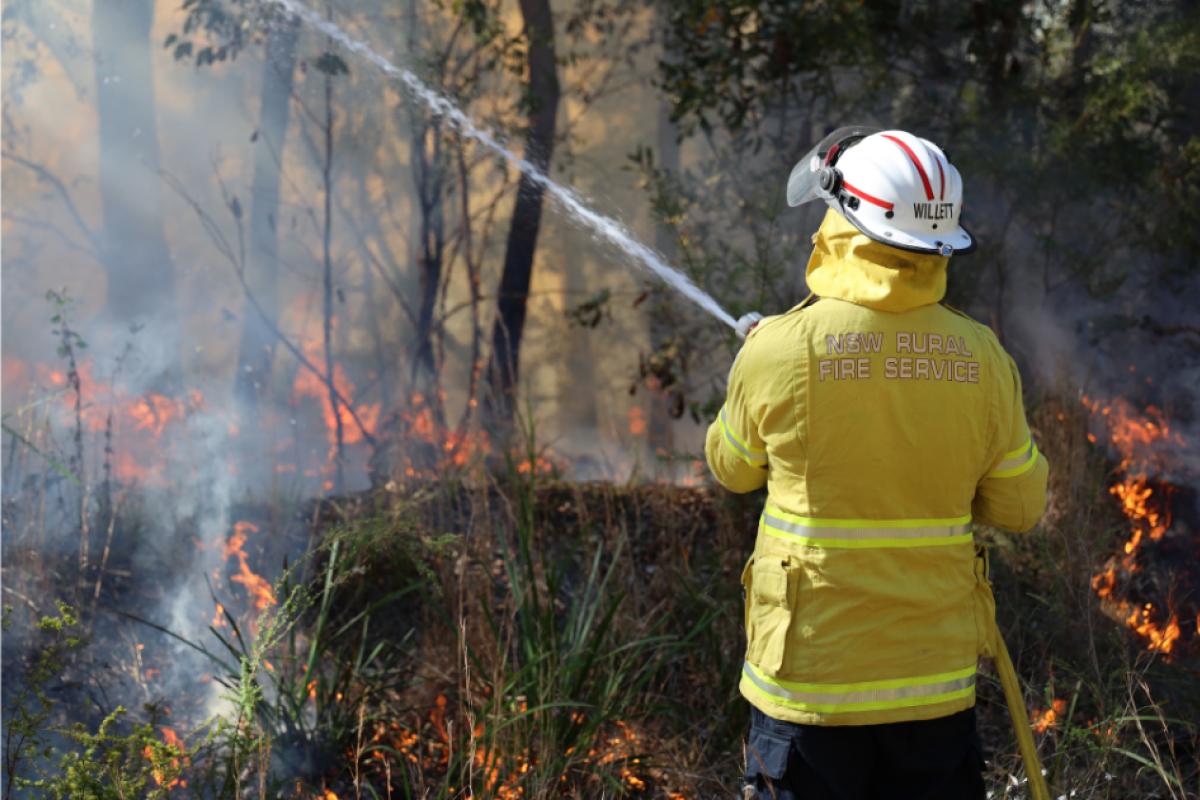
The government has said the parliamentary inquiry will present "options to reduce household insurance costs and fix an unfair funding model for emergency services".
While emergency services benefit everyone, most of their funding comes from a levy not everyone pays.
The Minns Labor government states it is committed to removing this, replacing it with a simple and transparent levy spread across all properties.
Currently, the burden of paying the ESL is unfairly placed only on those who take out property insurance. The cost of this levy for residential insurance has increased 48 per cent from 2017-18 to 2023-24, adding pressure on household budgets. All mainland states, apart from NSW, have implemented property-based levies to fund their emergency services.
In November 2023, the state government committed to reforming the ESL. The parliamentary inquiry will build on extensive public consultation carried out since then, and seeks to develop a consensus and strengthen support for the reform’s direction.
To inform the inquiry process, the government will release an options paper which includes five levy model options.
This follows a comprehensive collection of property level insurance policy data and land classifications performed by local councils under legislative amendments.
The government has thanked the insurance industry and local councils for their cooperation with this critical exercise for modelling reform options.
In designing the reform, the government says it is also committed to protecting pensioners and vulnerable members of the community and ensuring a revenue-neutral model for sustainably funding emergency services agencies.
NSW treasurer Daniel Mookhey said the reform is an important step in moving funding for emergency services to an equitable and sustainable footing that cuts the cost of insurance.
“The parliamentary inquiry will provide an open and transparent forum to test the proposed framework and ensure stakeholder perspectives are meaningfully considered.
“We want to work with the opposition and the crossbench to plot the last leg of this journey. This system funds services that protect all of us – and it is time for all politicians to work together to reform it."
In response, Local Government NSW is calling for the collection of any new state government charge to sit with the responsible state agency, Revenue NSW, and not local councils.
Councils are currently forced to remit this state levy instead of the responsible state agency, Revenue NSW, undertaking the collection.
LGNSW president, mayor Darcy Byrne said that while councils supported the government making the ESL fairer and more equitable by broadening its base, it would not make sense for 128 different councils to be required to collect what was clearly a state government charge.
“LGNSW would strongly oppose any move aimed at forcing councils to wear increased administrative costs and take the political heat for what is obviously a state government responsibility,” mayor Byrne said.
“After years of cost shifting to local government, many councils are in a challenging financial position. Continually forcing them to collect a state government levy would be confusing for ratepayers and further hamper the ability of councils to professionally manage their finances,” he said.
“In particular, for many smaller, regional and rural councils facing an existential threat to their financial viability, requiring them to administer a state government levy would be both unreasonable and unfair,” mayor Byrne said.
While most of the ESL is funded from a levy on insurance, 11.7 per cent of the ESL is funded by a levy on councils. The ESL is one of the largest cost shifts onto councils, amounting to $236 million in 2025-26.
“We look forward to our opportunity to address the inquiry, but it’s critical that the ESL be removed from councils to ensure fairness, transparency, and efficiency. It would be far more efficiently collected by a single NSW government agency (such as Revenue NSW), as is the case in other states,” mayor Byrne said.