Agricultural
5 December, 2025
Fresh call for eID funding
NSW Farmers has warned it will review its support for mandated traceability reforms unless continued funding for the transition is delivered, alongside eID tag-free pathways.
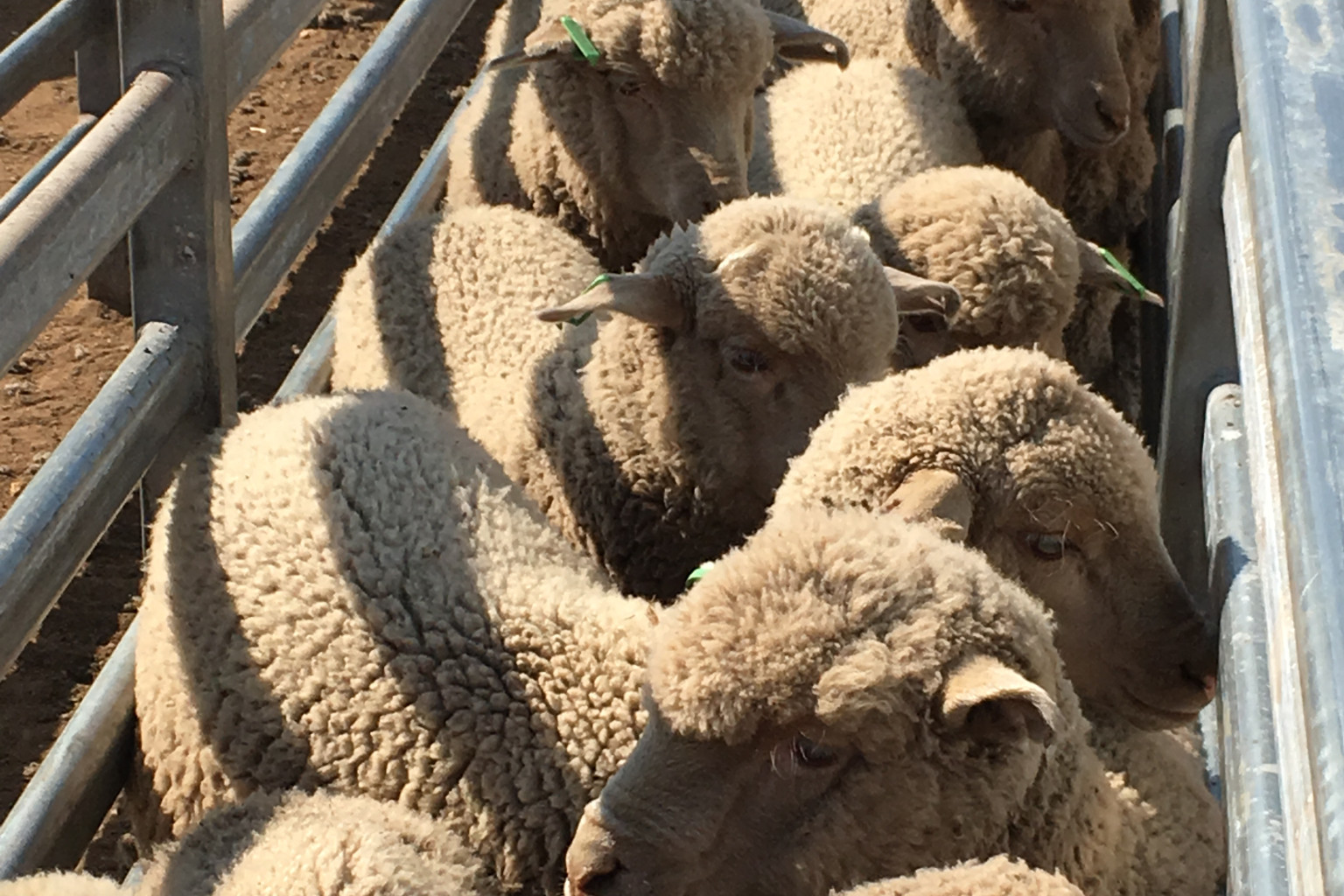
A state government scheme providing discounted eID devices for sheep and goats will end on 31 December, with NSW Farmers president Xavier Martin warning farmers would face far greater costs to purchase eID devices once funding ran out.
“Farmers shouldn’t have to foot unreasonable costs to meet this government mandate, and we’ve made it very clear time and time again what support our industry needs to successfully implement these reforms,” Mr Martin said.
“Discounts on these expensive eID devices have been a necessary measure as we transition to this new, mandatory system – and we’ve written to Minister Moriarty to call for this support to stay.
“Time’s running out on the scheme, and the reality is, we simply can’t keep backing something if it’s going to be such a burden on our farmers and their businesses.”
Other solutions to reduce the cost of the transition – such as eID tag-free pathways for sheep moving from property of birth direct to slaughter – were also long overdue, NSW Farmers has warned the state government.
“We came up with the solutions to reduce the costs and imposts of this transition – and our state government can’t back away from supports,” Mr Martin said.
“This is supposed to be about improving Australia’s biosecurity systems, but we need jurisdictional harmonisation, as well as serious and continued support, if we want to see this national scheme actually work.”
NSW Farmers policy on NLIS for Sheep and Goats:
In response to the heightened risk of Foot and Mouth Disease and the NSW Government's decision to support a National EID system, NSW Farmers provides in principle support for the development of a National Individual Traceability System for sheep.
This national system must:
a) Have jurisdictional harmonisation
b) Reduce tag costs to an economically affordable level (ie. national tag tender)
c) Financially assist farmers and the supply chain to invest in technology
d) Be underpinned by an equitable funding arrangement across the supply chain
e) Ensure NLIS database has proven capability
f) Retain the option of tag free pathways
g) A staged roll out over a five-year period
h) Be developed in consultation with producers; and
i) NLIS is the only system that is available for stock movements